

Interior designers are trained to notice what most people overlook. They don’t just see furniture and color; they read the gestalt of a room, reading each detail subconsciously, ceding if it contributes to or detract from the room.
Switch plates matter far more to designers than most homeowners expect.
To most of us, a switch plate is just functionally necessary. Interior designers see them as repeating elements that sit right at eye level, attracting attention for the right reasons or the wrong ones.
To quote the movie Transformers, a light switch plate that doesn't fit “is a visual and therefore visceral betrayal.” Like a red cup on the yellow floor, the wrong plates stick out, making a disturbance that the average homeowners can’t verbalize, but interior designers know to look for.
To an interior designer, it’s a repeating visual element that sits at eye level, interrupts wall space, and appears in nearly every room. When handled thoughtfully, it reinforces cohesion. When ignored, it introduces visual friction that undermines even the most carefully planned space.
Why designers think about switch plates early
Interior designers rarely treat switch plates as a last-minute decision. Professionally, they’re considered part of the finish package, right alongside lighting, hardware, plumbing fixtures, and trim.
Designers understand that consistency is easier to achieve when details are planned early. Waiting until the end of a project often leads to compromises, such as default plastic plates that clash with surrounding materials or feel out of place in an otherwise intentional design.
By addressing switch plates early, designers ensure that these small elements align with the broader design language of the room. This approach prevents the subtle disconnect that can make a space feel unfinished.
Switch plates as part of interior design strategy
Repetition is the key. A single switch plate might seem insignificant, but when the same plate appears five, ten, or twenty times throughout a home, it’s a statement.
Interior designers think about switch plates as punctuation marks on the wall. Each one interrupts the surface. When those interruptions are consistent in color, profile, and finish, they fade into the background. When they aren’t, they draw attention and create visual noise. Then the question becomes:
- Is it a comma? A short, but logical interruption
- A period? An eye-catching, but not incongruous interruption.
- An exclamation point? A screaming, loud stop in the view of the wall.
- What if it’s a question mark? As in, “Why would anyone put that in here?”
This is why designers often replace mismatched or aging plates even when everything else in a room feels right. It’s a corrective move that restores visual flow without altering the core design.
Matching switch plates with room hardware
One of the most common designer considerations is how switch plates relate to other finishes in the room.
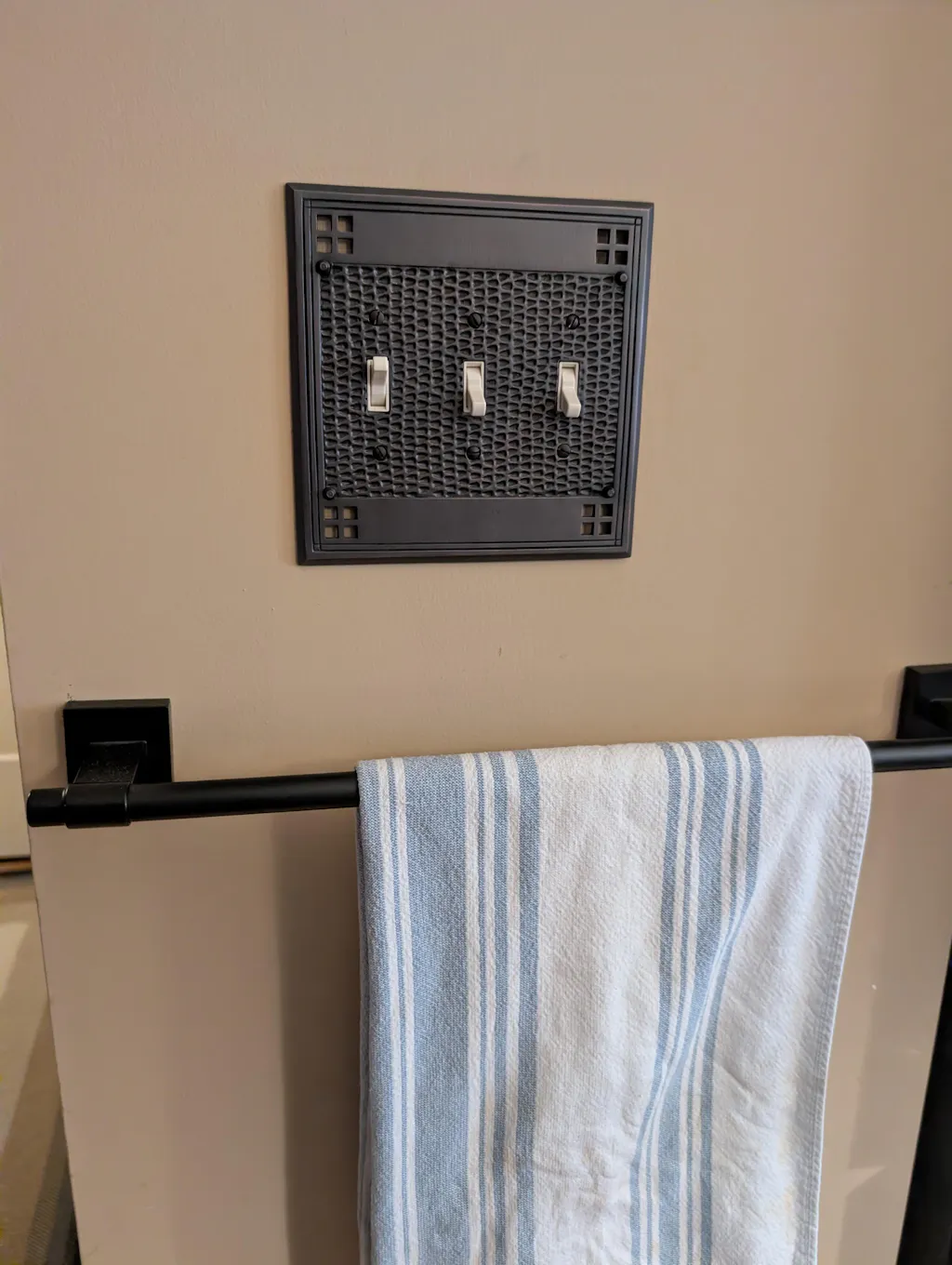
Rather than matching everything exactly, designers look for harmony. Switch plates might echo the tone of door hardware, lighting fixtures, or cabinetry pulls without competing with them. In some cases, matching switch plates with room hardware reinforces cohesion. In others, designers intentionally choose a quieter option so the hardware remains the focal point.
The goal is balance. Switch plates should feel like they belong, not like they’re trying to participate in the design conversation.
Material and finish selection
Switch plate material plays a larger role than most people realize. Designers choose materials based on both aesthetics and use.
In high-traffic areas like kitchens and hallways, durability matters. Materials that resist discoloration and wear help maintain a clean appearance over time. In lower-use spaces such as bedrooms or living rooms, visual subtlety often takes priority.
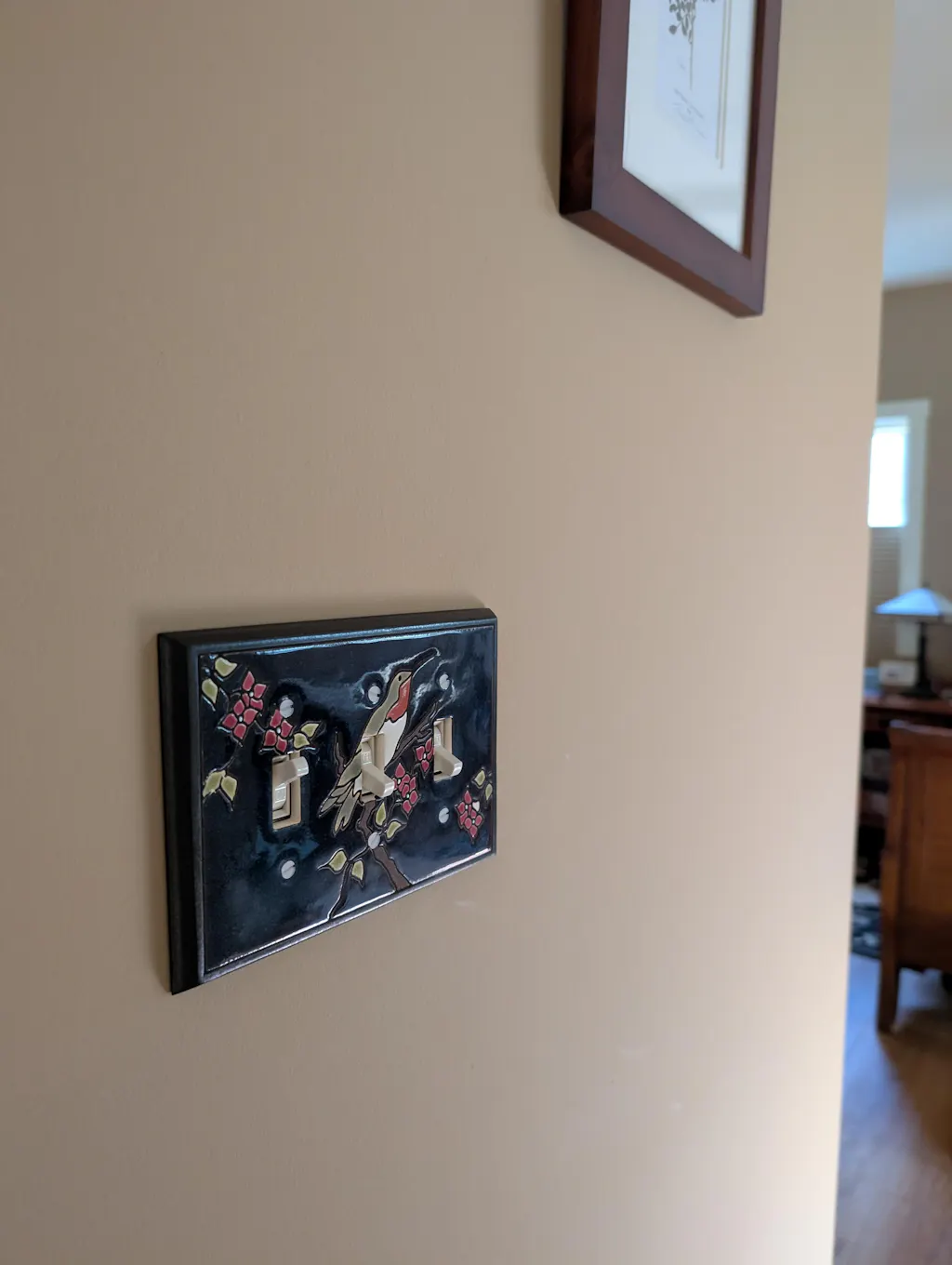
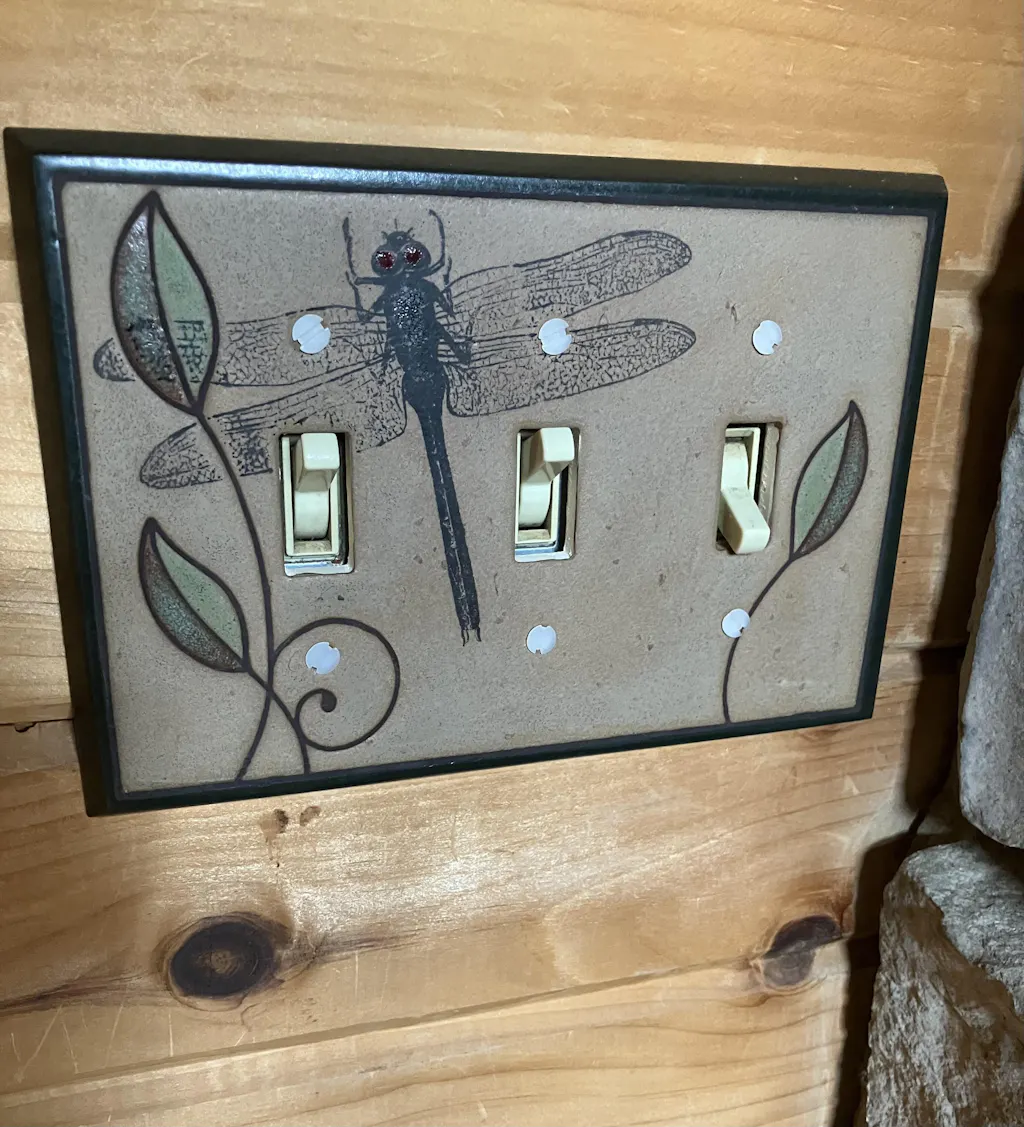
Modern interiors tend to favor low-profile plates with clean lines and refined finishes. Modern switch plate finishes are chosen to feel intentional without drawing attention. Decorative outlet covers and switch plates are used more selectively, typically in spaces where ornamentation already exists and feels appropriate.
Paintable switch plate covers are sometimes used when designers want plates to visually disappear into the wall. This technique supports visual calm and works especially well in minimalist or monochromatic spaces.
Room-by-room designer thinking
Interior designers adjust their approach based on how each room is used.
Switch plates for living rooms are usually understated. Designers keep the focus on furniture, art, and lighting rather than wall hardware.
Switch plates for bedrooms are selected with restfulness in mind. Low-contrast options that blend with the wall help reduce visual stimulation.
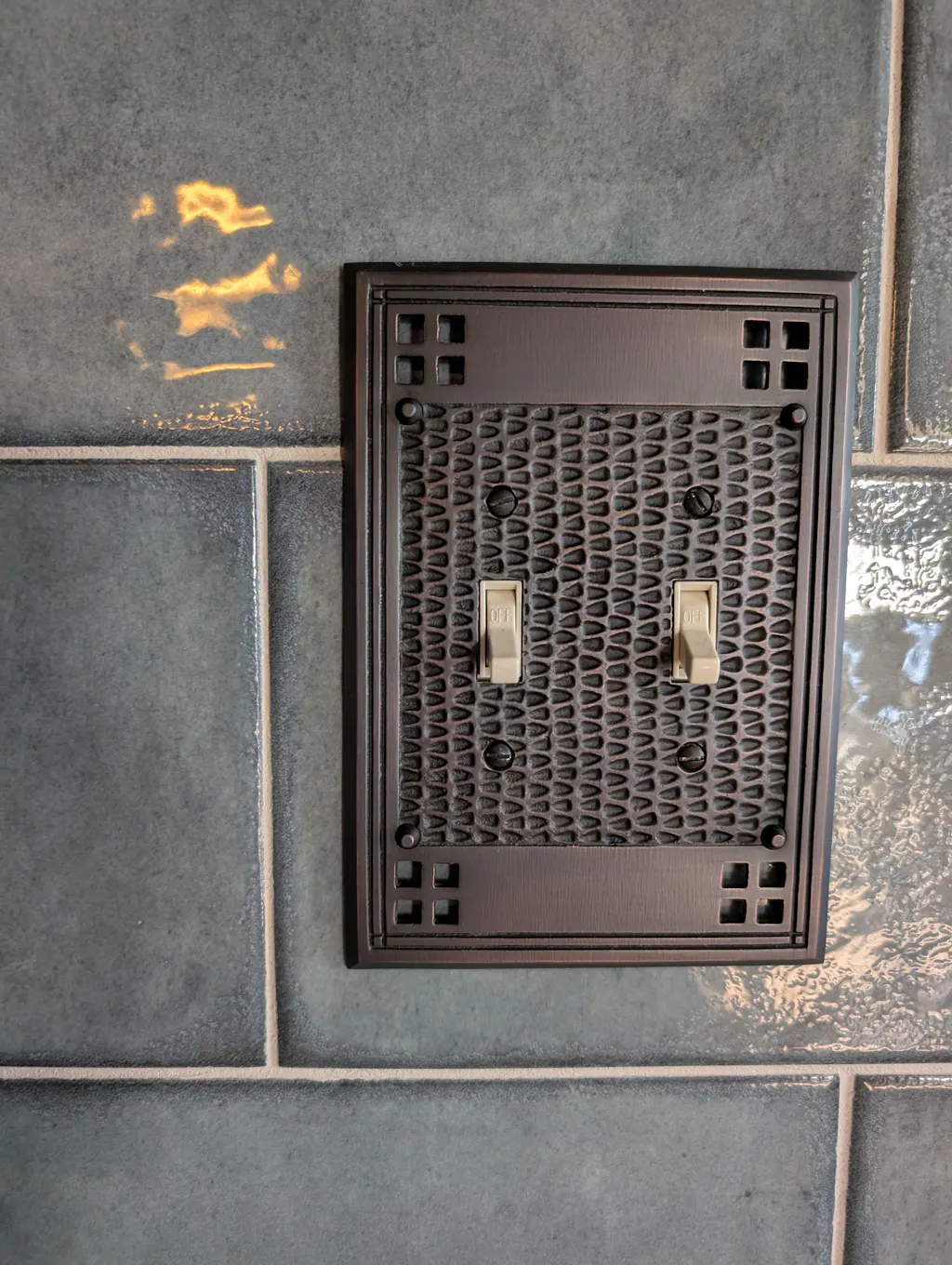
Switch plates for kitchens must balance durability with design. Designers pay close attention to finish quality here because wear shows quickly and mismatched plates are especially noticeable against cabinetry and tile.
Bathrooms require materials that handle moisture, but designers still avoid defaulting to generic solutions when more refined options are available.
Hallways and transitional spaces amplify repetition. Designers are particularly careful in these areas, since inconsistencies compound quickly as switches repeat along a wall.
Avoiding common homeowner mistakes
Professional home designers see the same mistakes over and over again.
One is mixing plate styles over time. Small replacements done piecemeal often result in subtle mismatches that disrupt flow.
Another is relying on builder-grade plastic in otherwise finished spaces. Even in well-appointed rooms, low-quality plates stand out because everything else has been upgraded.
Another is relying on builder-grade plastic in otherwise finished spaces. Even in well-appointed rooms, low-quality plates stand out because everything else has been upgraded.
It’s often very inexpensive to make corrections to these issues that will reform an entire space for little money and even less time.
How designers evaluate switch plates in an existing space
When interior designers walk an existing home, they don’t start by looking at finishes in isolation. They scan for alignment. Switch plates are part of that first read.
Designers often do a slow perimeter pass, visually tracing each wall from corner to corner. They’re looking for interruptions that feel unintended. A switch plate that’s slightly off in color, sheen, or thickness can break the continuity of the wall plane, even if everything else is well considered.
One common test designers use is repetition tolerance. A detail might look acceptable once, but if it appears repeatedly throughout a space, its flaws multiply. A plate that feels neutral in one spot can become distracting when it appears twelve times in the same room.
Designers also evaluate plates in relation to light. Shadows cast by thicker or poorly fitted plates can become more pronounced under directional lighting or wall washers. What looks fine during the day can feel messy at night. This is why flush fit and clean edges matter more than homeowners expect.
Another consideration is aging. Designers think ahead. Will this plate discolor faster than the surrounding finishes? Will it still look intentional after the next repaint? Switch plates that age poorly create visual debt that shows up later, often long after the original design work is complete.
Ultimately, designers aren’t trying to make switch plates disappear. They’re making sure those details don’t ask questions the room shouldn’t have to answer. When the plates feel resolved, the walls regain their clarity, and the space reads as whole again.
Why small details separate decorating from design
The difference between decorating and designing often comes down to finishing discipline.
Interior designers understand that a room doesn’t feel complete because of one big decision. It feels complete because dozens of small decisions align. Switch plates are part of that alignment.
When chosen thoughtfully, they don’t draw attention. They support the space quietly. Guests may never comment on them directly, but they feel the difference. The room feels settled. Polished. Intentional.
That’s the power of subtle design finishing and texture and color coordination. It’s not about showing off. It’s about removing friction.
FAQs
Why do interior designers care about switch plates?
Designers see switch plates as repeating visual elements that influence cohesion, rhythm, and finish quality across a space.
Should switch plates match lighting or hardware?
Sometimes. Designers look for harmony rather than exact matches, choosing finishes that support the overall design without competing for attention.
Are custom switch plates worth it?
Custom switch plates for interiors can be useful when standard options don’t align with the design intent, especially in high-end or highly tailored spaces.
Is upgrading switch plates really noticeable?
Yes. Designers often recommend it when a room feels off despite strong major elements. It’s a subtle change with outsized impact.
Can this be done affordably?
Absolutely. For many homes, replacing switch plates is one of the most affordable ways to elevate perceived quality and cohesion.


Comments (0)
There are no comments for this article. Be the first one to leave a message!